
Understanding the Role of an On-Site Welder
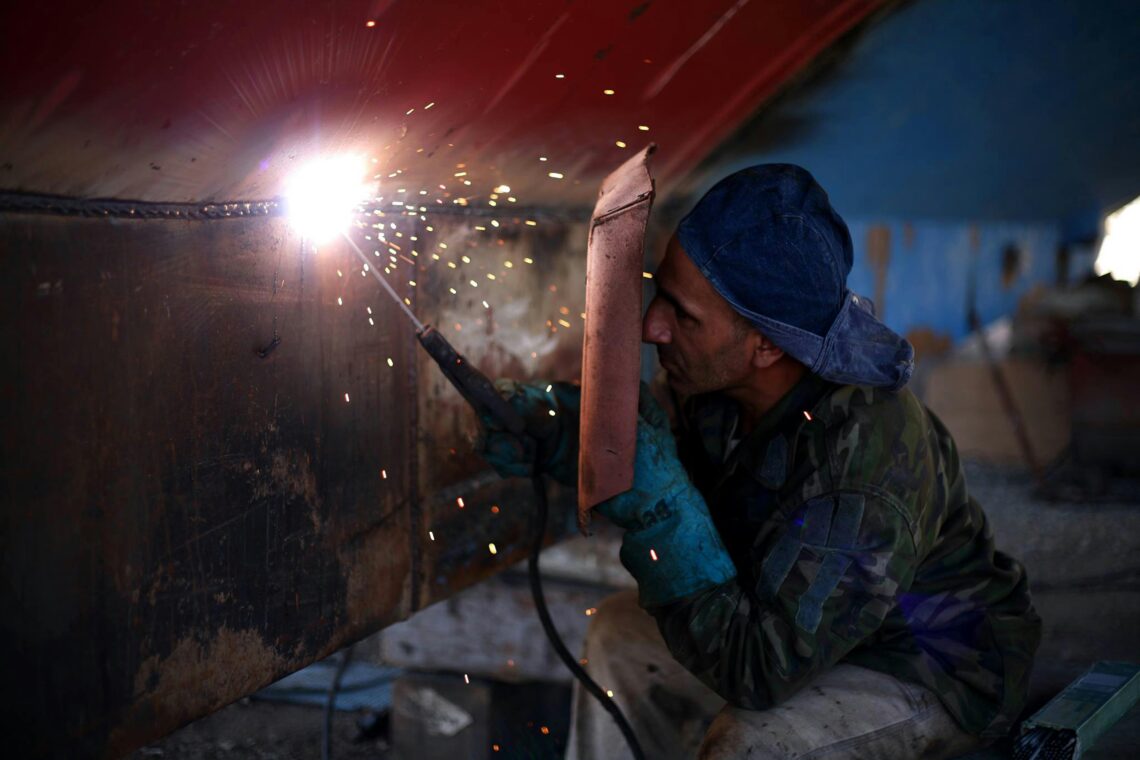
In the world of construction, manufacturing, and industrial maintenance, the role of an on-site welder is indispensable. These professionals provide critical services that ensure the safety, durability, and structural integrity of metal frameworks, machinery, and infrastructure. Unlike shop-based welders who work in controlled environments, on-site welders perform their tasks directly at project locations, often in challenging conditions that demand skill, adaptability, and technical expertise.
On-site welders are essential players in a wide range of industries, including oil and gas, shipbuilding, power generation, and civil engineering. Their ability to deliver precision welding in any location makes them a valuable asset for projects that require immediate support, repairs, or installation. Whether working on tall buildings, pipelines, bridges, or heavy machinery, these professionals help keep operations running smoothly and safely.
To better understand this vital profession, it’s important to explore the responsibilities, skills, and qualifications of on-site welders, as well as the benefits their services bring to industrial and construction projects of all sizes.
Key Responsibilities of On-Site Welders
An on-site welder’s role is multifaceted, involving both technical expertise and problem-solving abilities. These professionals are responsible for fabricating, assembling, and repairing metal structures and components where they are located. Because each site presents unique challenges, an on-site welder must adapt to various materials, weather conditions, and safety protocols.
Fabrication and Installation
One of the primary responsibilities of an on-site welder is to fabricate and install metal components according to project specifications. This could involve welding steel beams for building frameworks, attaching pipes in a refinery system, or repairing damaged structures. Each project demands accuracy, as even slight errors can compromise structural integrity.
Maintenance and Repairs
On-site welders are also called upon for maintenance and emergency repairs. In industries like oil and gas or manufacturing, equipment downtime can lead to substantial losses. On-site welders perform rapid assessments and provide effective repair solutions to restore operations quickly while maintaining high safety standards.
Inspection and Quality Control
Another key responsibility involves inspecting existing welds and metal joints for signs of corrosion, fatigue, or defects. On-site welders use visual inspection techniques, non-destructive testing methods, and measurement tools to verify compliance with industry standards and safety regulations.
Essential Skills and Qualifications
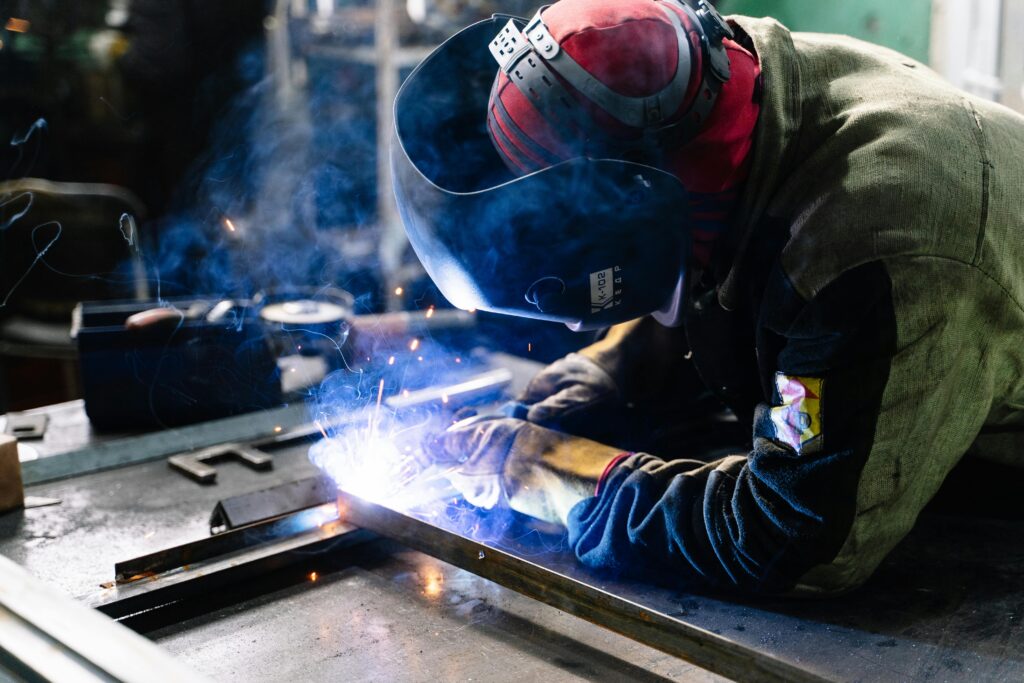
To excel in their field, on-site welders must have a combination of hands-on experience, technical training, and strong problem-solving skills. Employers look for professionals who can perform under pressure while delivering precise and durable work.
Technical Expertise
Proficiency in common welding techniques is a must. On-site welders typically master methods such as MIG (Metal Inert Gas), TIG (Tungsten Inert Gas), stick, and flux-cored arc welding. Depending on the project, they may also need knowledge of specialized processes like submerged arc or gas welding.
Certifications and Training
Most on-site welders hold certifications from recognized professional bodies, such as the American Welding Society (AWS) or similar international organizations. Certifications validate a welder’s ability to perform specific types of welds to exact standards. Many projects—particularly those in construction or oil and gas—require certified welders due to stringent safety regulations.
Physical Stamina and Safety Awareness
Welding on-site often means working in confined spaces, at extreme heights, or in adverse weather conditions. Physical endurance, balance, and attention to detail are vital. Additionally, a thorough understanding of safety protocols ensures that welding tasks are executed without compromising the wellbeing of any personnel involved.
Common Tools and Equipment Used
On-site welders rely on specialized equipment to perform their work efficiently. Their mobile welding setups allow them to carry out projects in diverse environments—from industrial facilities to remote construction sites.
- Portable welding machines designed for outdoor or remote work
- Protective gear including helmets, gloves, and flame-resistant clothing
- Gas cylinders and regulators for oxy-fuel cutting
- Grinders and cutting tools for metal preparation
- Measuring and alignment tools for precision welding
Having the right tools ensures welders maintain consistency and safety regardless of where the job takes them. With proper preparation, an on-site welder can adapt to any environment and deliver professional-grade results every time.
Industries That Rely on On-Site Welders
Because metal fabrication plays a central role in modern infrastructure, many industries depend on the services of on-site welders. Their ability to bring technical expertise directly to the worksite saves both time and resources.
- Construction: Building frames, bridges, and structural supports.
- Oil and Gas: Installing and maintaining pipelines and processing plants.
- Shipbuilding: Performing hull fabrication and repair tasks at docks.
- Manufacturing: Repairing equipment and production line components.
- Power Generation: Maintaining turbines, pressure vessels, and boilers.
Each of these sectors benefits from the flexibility and precision that on-site welders provide, particularly in situations where transporting large metal structures to a workshop would be impractical or too costly.
Advantages of Hiring an On-Site Welder
Hiring an on-site welder offers several advantages that go beyond mere convenience. These skilled professionals bring efficiency, flexibility, and reliability to every project, helping organizations meet tight deadlines while maintaining high-quality standards.
Time and Cost Efficiency
Mobilizing an on-site welder eliminates the need to transport materials or equipment to a remote shop for fabrication or repair. This reduces logistics costs and minimizes downtime. The ability to complete work directly at the job site leads to faster project completion and enhanced productivity.
Quality and Compliance
Professional on-site welders adhere to strict quality control standards, ensuring each weld meets relevant codes and safety regulations. Their expertise helps organizations avoid rework, extend the life span of equipment, and maintain compliance with industry requirements.
Adaptability in Diverse Conditions
From high heat to cold-weather scenarios, on-site welders are trained to adapt to different environments. Their readiness to perform in varied conditions ensures that projects remain on schedule regardless of external challenges.
How to Choose the Right On-Site Welder
Selecting the right professional or welding service is crucial to achieving successful results. A poor-quality weld or inadequate safety practice can lead to costly repairs or even serious accidents. When hiring, project managers should carefully evaluate candidates based on key criteria.
- Verify certifications and professional qualifications
- Review past project experience and client references
- Ensure compliance with industry safety standards
- Assess equipment portability and readiness for site work
- Consider availability for emergency or long-term projects
Partnering with an experienced, certified on-site welder ensures reliability and quality craftsmanship from start to finish.
Conclusion: The Importance of On-Site Welding in Modern Industry
In modern industrial operations, the on-site welder represents far more than just a tradesperson—they are a cornerstone of progress and safety. Their expertise enables companies to build, maintain, and repair critical infrastructure that fuels economies and supports everyday life. Whether it’s constructing skyscrapers, maintaining pipelines, or repairing heavy machinery, the ability to weld on-site delivers flexibility and dependability that few other services can match.
As industries continue to expand and technology evolves, the demand for skilled on-site welders will only increase. Businesses that invest in professional on-site welding services stand to gain from enhanced efficiency, superior quality control, and long-term project success. In an ever-changing industrial landscape, the on-site welder remains a key figure—keeping the world’s metal structures strong, safe, and built to last.


