


When a hurricane, winter storm, earthquake, flood, or extended power outage threatens your home’s water supply, having emergency drinking water already stored can make a major difference. The WaterBOB bathtub water storage bag takes an unusual approach: instead of keeping dozens of water containers around your home, you place a large food-grade plastic bladder inside your bathtub and fill it when an emergency is approaching.
The WaterBOB is designed to hold up to 100 gallons of water, although the actual amount depends on the size and shape of your bathtub. The manufacturer says many standard bathtubs hold approximately 60–70 gallons. It includes a siphon pump for dispensing the stored water.
So, is the WaterBOB worth buying? For households with a bathtub that want a large amount of temporary emergency water storage without permanently occupying storage space, it can be a very practical option. However, it has important limitations: it is intended for one-time use, requires a bathtub, becomes extremely heavy when full, and is designed for temporary rather than permanent water storage.
What Is the WaterBOB?
The WaterBOB is a flexible bathtub water-storage bladder designed for emergency preparedness.
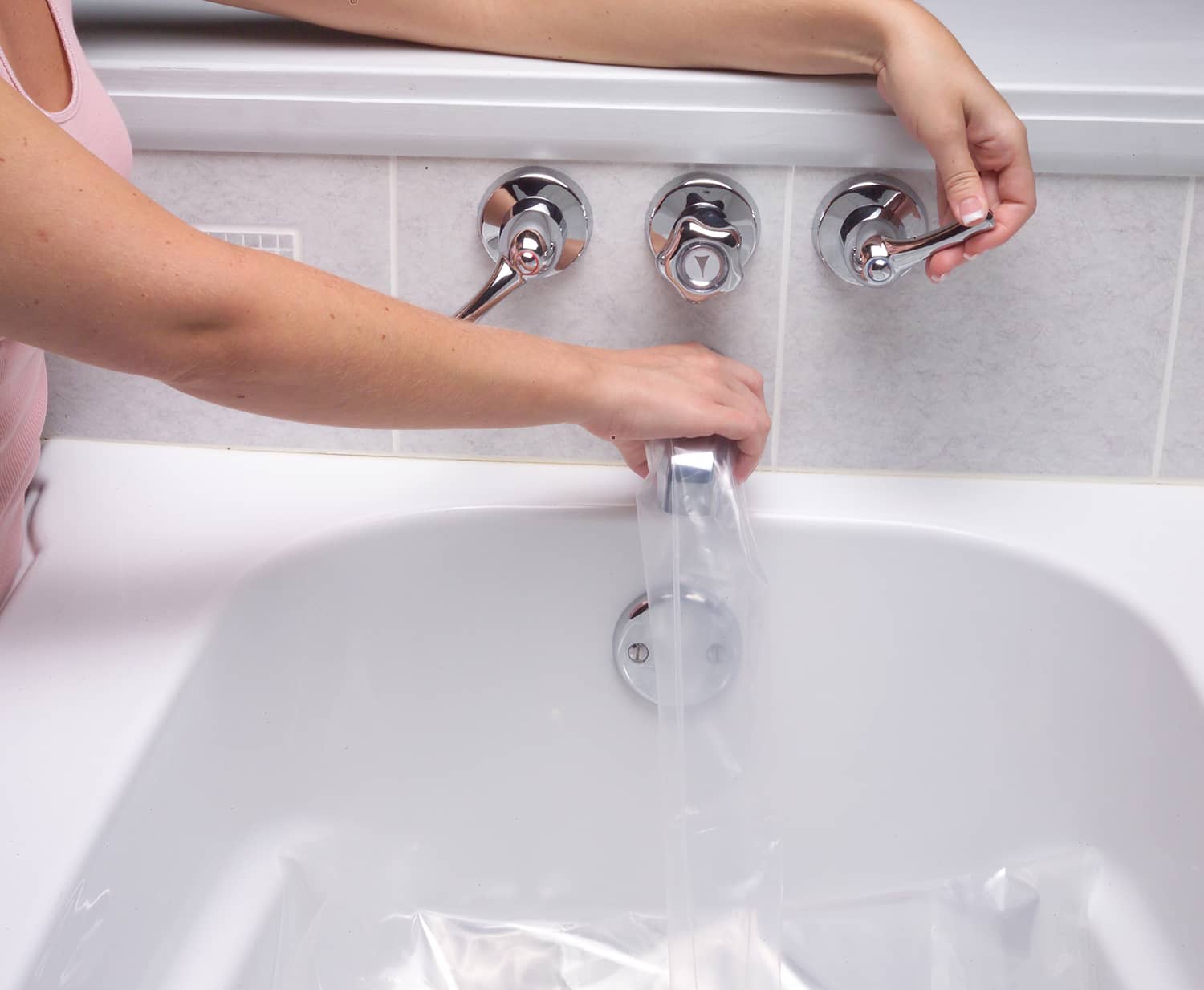
Instead of filling the bathtub directly with water, you place the WaterBOB liner inside the tub. You then connect its filling tube to the bathtub faucet and fill the bladder with clean tap water.
The manufacturer says the bladder is made from 10-mil food-grade Linear Low Density Polyethylene (LLDPE) and uses FDA-compliant materials.
The basic concept is simple:
Bathtub → WaterBOB liner → Clean water → Siphon pump
This design helps protect stored water from the dirt, soap residue, dust, and other contaminants that can be present in an uncovered bathtub.
How Much Water Does the WaterBOB Hold?
The WaterBOB is advertised as holding up to 100 gallons of water.
However, you should not assume that every bathtub will hold 100 gallons.
According to the manufacturer, many standard bathtubs hold approximately 60–70 gallons, while the maximum WaterBOB capacity can reach 100 gallons depending on the tub. The manufacturer also specifically warns users not to fill the bladder above the edge of the bathtub.
That is still a substantial amount of emergency water.
For perspective, water weighs roughly 8.3 pounds per U.S. gallon, so 100 gallons weighs more than 800 pounds. A full WaterBOB therefore needs to remain in the bathtub rather than being moved around the apartment or house.
How Does the WaterBOB Work?
Using the WaterBOB is relatively straightforward.
Step 1: Place the Bladder in the Bathtub
Lay the WaterBOB flat inside the bathtub with its nozzles facing upward near the faucet.
Step 2: Connect the Filling Sock
Attach the fill sock to the appropriate WaterBOB nozzle and then connect it to the bathtub faucet.
Step 3: Fill With Cold Water
Turn on the cold water and allow the bladder to fill.
The manufacturer says filling generally takes around 20–30 minutes, depending on water flow and bathtub size.
Step 4: Seal the Bladder
Once filled, remove the filling connection and securely close the cap.
Step 5: Store Away From Direct Sunlight
The manufacturer recommends covering the WaterBOB with towels or a sheet and closing window coverings to prevent direct sunlight from reaching it.
Step 6: Use the Siphon Pump
When you need water, connect the included siphon pump and place the hose into a pitcher, jug, or other appropriate container.
The pump creates a siphon that allows you to dispense water without lifting the heavy bladder.
How Long Does WaterBOB Water Stay Fresh?
The manufacturer states that water can remain fresh for up to 16 weeks, depending on environmental conditions such as temperature and humidity.
However, the WaterBOB is best understood as temporary emergency water storage, not a replacement for a long-term water-storage system.
If you know an emergency is coming, fill it shortly before the expected event rather than treating it like a permanently filled water tank.
Direct sunlight should be avoided because it can accelerate contamination and deterioration.
Can You Drink Water From a WaterBOB?
The WaterBOB is specifically marketed for storing fresh drinking water, cooking water, washing water, and flushing water. Its food-grade construction is designed for water storage.
However, water safety still depends on the quality of the water used to fill it and how the bladder is stored.
If your water source is questionable, follow appropriate local water-treatment guidance rather than assuming that the container itself makes contaminated water safe.
The manufacturer also recommends treating well water immediately after filling and provides guidance about water purification when longer storage is necessary.

WaterBOB Pros
1. Huge Water Capacity
The biggest advantage is capacity.
A single WaterBOB can hold up to 100 gallons, which would require a large number of individual bottles or containers to store separately.
2. Saves Storage Space
When empty, the WaterBOB is compact and can be stored until an emergency is approaching.
You don’t need to dedicate a large closet, garage shelf, or basement area to dozens of filled containers.
3. Quick to Deploy
The manufacturer says filling generally takes around 20–30 minutes.
That makes it practical when you receive advance warning of a hurricane, major storm, or other event.
4. Includes a Pump
You don’t have to manually lift hundreds of pounds of water.
The included siphon pump is designed to transfer water into smaller containers.
5. Protects Water From an Open Bathtub
An uncovered bathtub can contain soap residue, dust, dirt, and other contaminants.
The WaterBOB creates a sealed barrier between the bathtub and the stored water.
6. Useful During Multiple Types of Emergencies
It can be useful for:
- Hurricanes
- Winter storms
- Earthquakes
- Flood-related water disruptions
- Power outages
- Water-main problems
- Emergency preparedness
The manufacturer specifically markets it for temporary water storage during emergencies and disaster situations.
WaterBOB Cons
No emergency product is perfect.
1. You Need a Bathtub
This is probably the biggest limitation.
If your apartment has only a shower, the WaterBOB is not a practical option.
2. You Lose Access to the Bathtub
Once filled, your bathtub is occupied.
You cannot simply remove a full WaterBOB to take a shower because the water inside weighs hundreds of pounds.
3. It Is Extremely Heavy
A full 100-gallon WaterBOB can weigh more than 800 pounds.
It should remain in the bathtub and should never be treated like a portable water container.
4. It Is Designed for One-Time Use
The manufacturer recommends the WaterBOB as a single-use product. After the emergency, the liner should be drained, disposed of, and recycled.
5. Potential Puncture Risk
Although the material is designed for emergency water storage, any flexible plastic bladder can potentially be damaged by sharp objects.
This is one reason the manufacturer recommends placing it inside the bathtub.
6. Not Ideal for Permanent Water Storage
If you want water stored continuously for months or years, rigid containers designed specifically for long-term water storage may be more appropriate.
Is the WaterBOB Good for Apartments?
For apartments with a standard bathtub, the WaterBOB can be especially useful.
Apartment residents often have limited storage space. Keeping dozens of large water containers permanently stored can be inconvenient.
The WaterBOB solves part of that problem because it can remain folded away until an emergency is approaching.
However, apartment residents should consider a few additional factors.
Check Your Bathtub
Make sure your bathtub is compatible before an emergency occurs.
Consider Building Rules
If you live in an apartment building, understand your building’s emergency procedures and any restrictions relevant to emergency equipment.
Think About Water Weight
The bathtub and surrounding structure must be appropriate for the filled container. Never attempt to move the filled bladder.


WaterBOB vs. Bottled Water
Which is better?
It depends on your needs.
| Feature | WaterBOB | Bottled Water |
|---|---|---|
| Storage capacity | Up to 100 gallons | Depends on quantity |
| Empty storage space | Very low | High |
| Emergency deployment | Excellent | Already stored |
| Portability | Poor when full | Excellent |
| Long-term storage | Not ideal | Better when properly stored |
| Requires bathtub | Yes | No |
| Pump included | Yes | No |
| One-time use | Yes | No |
| Best use | Short-term emergency | General emergency storage |
For a household with a bathtub, the WaterBOB can complement rather than completely replace bottled or containerized emergency water.
How Much Water Do You Need During an Emergency?
A commonly used emergency-planning guideline is to have at least one gallon of water per person per day for drinking and sanitation, with additional water potentially needed depending on climate, health, age, pets, and circumstances.
At 100 gallons, a full WaterBOB represents a substantial emergency reserve.
However, don’t assume all 100 gallons will be available for drinking. Water may also be needed for:
- Cooking
- Basic hygiene
- Cleaning
- Toilet flushing
- Other household needs
Your actual emergency water requirements depend on the situation.
WaterBOB Safety Tips
If you use a WaterBOB, follow the manufacturer’s instructions carefully.
Keep It Away From Direct Sunlight
Cover the filled bladder with towels or another appropriate covering to reduce exposure to sunlight.
Don’t Overfill It
Never fill the bladder above the bathtub’s edge.
Keep Sharp Objects Away
Do not place sharp objects in or around the bathtub once the WaterBOB is filled.
Use the Pump Correctly
Follow the manufacturer’s siphon instructions and use clean containers to collect the water.
Treat Questionable Water
If the source water may be contaminated, follow appropriate water-treatment guidance.
Don’t Move a Full WaterBOB
The enormous weight makes moving it unsafe.
Is the WaterBOB Worth It?
For emergency preparedness, the WaterBOB can be worth buying if you have a bathtub and live in an area where temporary water disruptions are a realistic risk.
Its biggest strength is the combination of large capacity, low storage space when unused, and quick deployment.
For around the cost of a relatively small emergency-preparedness purchase, you get a system capable of storing substantially more water than most portable household containers.
Its biggest weakness is that it is a temporary, bathtub-dependent solution rather than a permanent water-storage system.
If you don’t have a bathtub, regularly experience water outages, or want water stored year-round, you may want to consider other storage methods.
WaterBOB Review: Our Verdict
Overall Rating: 4.5/5
Capacity: 5/5
Up to 100 gallons is excellent for temporary household emergency storage.
Ease of Setup: 4.5/5
The manufacturer describes a simple fill process that generally takes about 20–30 minutes.
Storage Convenience: 5/5
The empty bladder takes very little space compared with permanently storing dozens of water containers.
Portability: 1/5
Once filled, it is extremely heavy and should remain in the bathtub.
Long-Term Storage: 2.5/5
It is designed for temporary storage, with the manufacturer stating water can remain fresh for up to 16 weeks under appropriate conditions.
Value: 4.5/5
For households that need a large emergency water reserve without permanently storing a large number of containers, it offers a compelling solution.
Frequently Asked Questions
How much water does a WaterBOB hold?
The WaterBOB can hold up to 100 gallons, although actual capacity depends on your bathtub. The manufacturer says many standard tubs hold approximately 60–70 gallons.
How long does a WaterBOB last?
The manufacturer says stored water can remain fresh for up to 16 weeks, depending on temperature and humidity conditions.
Can you reuse a WaterBOB?
The manufacturer recommends it as a one-time-use product and recommends disposing of and recycling the bladder after use.
Can you put a WaterBOB in any bathtub?
The manufacturer says it works with virtually any bathtub, including tubs of different sizes and shapes, but actual capacity will vary. Do not fill it above the edge of the tub.
Does the WaterBOB come with a pump?
Yes. The WaterBOB includes a siphon pump for transferring water into a jug or pitcher.
Can you use WaterBOB water for drinking?
It is designed to store fresh drinking water, as well as water for cooking, washing, and flushing. However, the safety of the stored water depends on the source water, storage conditions, and proper handling.
Is WaterBOB better than storing bottled water?
Neither is universally better. WaterBOB offers exceptional capacity while taking little storage space when empty, whereas bottled water is portable and doesn’t require a bathtub. For emergency preparedness, using both can provide greater flexibility.
Final Verdict
The WaterBOB bathtub water storage bag is a smart emergency-preparedness product for households with a bathtub, particularly when a hurricane, winter storm, or other event could interrupt the municipal water supply.
Its biggest advantage is simple: you can store a very large amount of emergency water without permanently occupying your storage space. The bladder can hold up to 100 gallons, fills in roughly 20–30 minutes under typical conditions, and includes a siphon pump for dispensing water.
The trade-offs are equally important. It requires a bathtub, occupies that bathtub when deployed, is extremely heavy when full, and is intended for one-time temporary use.
Bottom line: If you already have an appropriate bathtub and want a convenient way to store a large emergency water supply when a disaster is approaching, the WaterBOB is a worthwhile addition to an emergency kit. It works best as a temporary emergency water solution, not as your only long-term water-storage strategy.