


A power outage can disrupt heating, cooling, refrigeration, lighting, internet access, and essential medical equipment. A generator can provide reliable backup electricity, but one of the most common questions homeowners ask is: How long should you run a generator during a power outage?
The answer depends on the generator type, fuel source, fuel capacity, electrical load, weather conditions, and manufacturer’s operating instructions. Some portable generators can operate for several hours before they need refueling, while standby generators can provide power for much longer periods when properly installed and supplied with fuel.
The most important rule is simple: Never operate a generator beyond its manufacturer’s recommended limits, and never compromise on generator safety to keep the power running.
This guide explains how long you can safely run a generator, how to extend runtime, when to shut it down, and how to use a generator during a short or extended power outage.
How Long Can You Run a Generator During a Power Outage?
There is no universal number of hours that applies to every generator. A generator’s runtime depends primarily on its fuel tank size, fuel consumption, electrical load, and design.
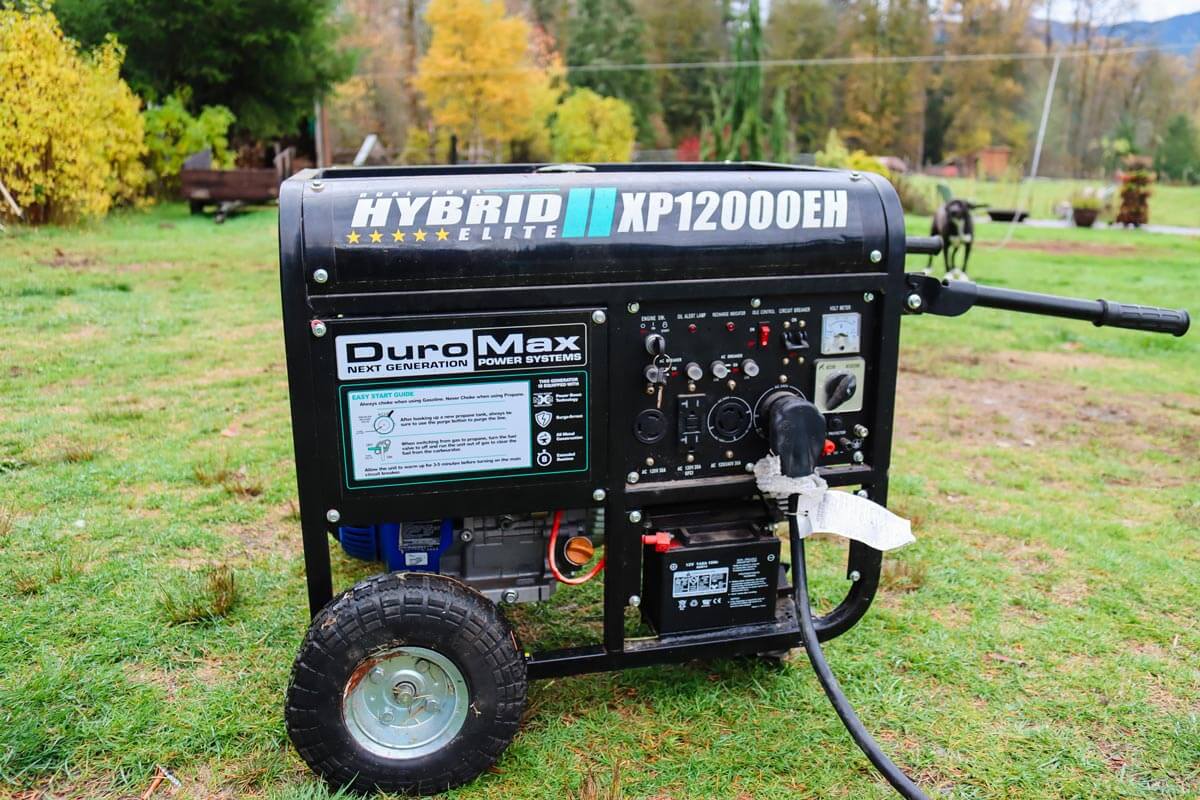
A portable gasoline generator may run for several hours on a full tank, depending on the model and load. An inverter generator may achieve longer runtime under lighter loads because its engine can adjust its speed according to electricity demand.
A permanently installed standby generator can operate for much longer, particularly when connected to a suitable natural gas or propane supply.
Before using a generator, check the owner’s manual for its:
- Maximum continuous operating time
- Fuel consumption rate
- Recommended load
- Refueling procedure
- Oil-check and maintenance intervals
- Required ventilation and clearance
- Fuel requirements
The manufacturer’s instructions should always take priority over general runtime estimates.
Can You Run a Generator 24 Hours a Day?
Some generators are designed for extended operation, but not every generator should run continuously for 24 hours.
Portable generators generally need to be shut down for safe refueling and periodic inspection. Continuous operation can also increase engine wear, fuel consumption, and the risk of overheating or mechanical problems.
If you need electricity continuously for several days, a professionally installed standby generator may be more appropriate than relying on a portable generator.
Even standby generators require proper maintenance. Extended operation should always follow the manufacturer’s recommendations.
Best Approach for a Long Power Outage
Instead of automatically running a portable generator around the clock:
- Identify essential appliances.
- Calculate their approximate electrical requirements.
- Avoid unnecessary loads.
- Run the generator when electricity is needed.
- Shut it down safely before refueling.
- Check oil and other maintenance requirements according to the manual.
- Monitor the generator while it is operating.
This approach can reduce fuel consumption and unnecessary engine wear.

How Long Should You Run a Generator at Night?
Whether you should run a generator overnight depends on your household’s needs.
If you only need electricity for charging phones, powering a refrigerator, or running a few lights, you may not need to operate the generator continuously throughout the night.
However, some homes may require continuous electricity for medical equipment, heating, cooling, sump pumps, or other essential systems.
If you operate a portable generator at night, safety is critical.
Never run a gasoline, propane, or other fuel-powered portable generator inside a home, garage, basement, shed, or enclosed area.
A generator produces carbon monoxide (CO), an invisible and potentially deadly gas. Keep the generator outdoors and positioned according to the manufacturer’s safety requirements, away from doors, windows, and ventilation openings.
How Much Fuel Does a Generator Use?
Fuel consumption varies significantly between generator models.
A generator operating under a heavy electrical load generally uses more fuel than one operating under a light load. This means you can often increase runtime by reducing unnecessary electricity consumption.
For example, during a prolonged outage, prioritize:
- Refrigerator and freezer
- Essential lighting
- Heating or cooling
- Medical equipment
- Water pumps
- Security systems
- Communication equipment
- Internet equipment when necessary
Turn off or unplug nonessential appliances to reduce the generator’s load.
When purchasing a generator, look at the manufacturer’s runtime specifications at a particular load, rather than relying only on fuel tank size.
How Can You Make a Generator Run Longer?
If you need backup electricity for an extended outage, fuel conservation is important.
1. Run Only Essential Appliances
Create a list of appliances that absolutely need electricity. Avoid powering devices simply because electricity is available.
2. Avoid Overloading the Generator
Check the running and starting wattage of appliances. Motors in refrigerators, freezers, pumps, and air conditioners can require additional power when they start.
Never exceed the generator’s rated capacity.
3. Use Energy-Efficient Lighting
LED bulbs generally consume less electricity than traditional incandescent lighting. Using efficient lighting can reduce the overall generator load.
4. Unplug Unnecessary Electronics
Televisions, gaming systems, chargers, computers, and other electronics can consume electricity unnecessarily. Disconnect equipment that is not needed.
5. Consider an Inverter Generator
For appropriate applications, an inverter generator can provide efficient operation at lighter loads and may be quieter than conventional portable generators.
When Should You Turn Off a Generator?
A generator should be turned off when it is no longer needed or whenever continued operation could become unsafe.
You should also shut it down before:
- Refueling
- Moving a portable generator
- Performing maintenance
- Checking components when required by the manufacturer
- Addressing a fuel leak
- Investigating unusual noises or smoke
- Operating conditions become unsafe
Never Refuel a Hot Generator
One of the most important generator safety rules is to turn the generator off and allow it to cool before refueling.
Adding gasoline or other fuel to a hot engine can create a serious fire hazard. Follow the specific cooling and refueling instructions provided by the manufacturer.
Generator Safety During a Power Outage
Proper generator placement is essential.
A fuel-powered generator produces carbon monoxide. Because carbon monoxide is colorless and odorless, people may not realize it is present until exposure becomes dangerous.
Always operate a portable generator outside in a well-ventilated location and follow the manufacturer’s required clearance from buildings and openings.
Never operate a generator:
- Inside a house
- In a garage
- In a basement
- Inside a shed
- On an enclosed porch
- In another enclosed or partially enclosed space
Keep the generator away from rain and standing water while following the manufacturer’s instructions for weather protection.
It is also important to have functioning carbon monoxide alarms in appropriate areas of the home.


Can You Leave a Generator Running Unattended?
It is generally safer to monitor a portable generator while it is operating rather than leaving it completely unattended.
A generator can experience unexpected problems involving:
- Fuel
- Oil
- Overheating
- Electrical connections
- Weather
- Mechanical components
- Exhaust
Keep children and pets away from the generator, fuel, hot surfaces, and electrical cables.
If the generator makes unusual noises, produces excessive smoke, leaks fuel, or shows other signs of malfunction, shut it down safely and consult the owner’s manual or a qualified professional.
How Long Can a Generator Run on a Full Tank?
The exact runtime depends on the generator.
For example, two generators with similar fuel tank sizes can have different runtimes because their engines consume fuel at different rates.
The most accurate information will come from the manufacturer’s specifications. Look for runtime information based on a stated load, such as 25%, 50%, or another percentage of rated capacity.
Remember that actual runtime can change depending on:
- Electrical load
- Fuel type
- Generator efficiency
- Outdoor temperature
- Generator condition
- Maintenance
- Altitude
- Appliance starting loads
Therefore, a manufacturer’s runtime estimate should be treated as a guide rather than a guarantee for every situation.
What If the Power Outage Lasts Several Days?
A multi-day power outage requires more planning than a short outage.
Before an emergency occurs, determine how much fuel you may need and which appliances are essential. Store fuel only according to applicable local requirements and the fuel manufacturer’s storage guidance.
During a prolonged outage, keep a simple record of:
- Generator operating hours
- Fuel consumption
- Oil checks
- Maintenance requirements
- Essential electrical loads
- Weather conditions
If your home becomes too hot, too cold, flooded, damaged, or otherwise unsafe, do not rely on the generator as a substitute for evacuation. Move to a safe location when necessary.
What Generator Size Do You Need During a Power Outage?
Generator size should be based on the electrical equipment you need to operate.
Start by identifying essential appliances and checking their running watts and starting watts. Add the requirements of equipment that may operate simultaneously and compare the total with the generator’s rated capacity.
For example, a household may prioritize a refrigerator, several lights, a modem/router, and a sump pump rather than attempting to power every appliance in the house.
An electrician can help determine the appropriate generator size and safe connection method for your home.
Frequently Asked Questions
How many hours should I run my generator during a power outage?
There is no universal number of hours. Run it only as long as necessary and within the operating limits specified by the manufacturer. Portable generators may require periodic shutdowns for refueling and maintenance.
Can I run my generator all night?
Some generators are designed for extended operation, but you must follow the manufacturer’s instructions. Never operate a fuel-powered portable generator indoors or in an enclosed space while sleeping.
How often should I turn off my generator?
Follow the manufacturer’s instructions for operating, refueling, and maintenance intervals. A portable generator must be turned off before refueling and should be inspected as recommended by the manufacturer.
How can I save generator fuel?
Power only essential appliances, avoid overloading the generator, unplug unnecessary electronics, use energy-efficient lighting, and select operating periods carefully during a prolonged outage.
Is it safe to run a generator continuously for several days?
Some generators are designed for extended operation, while others have different limitations. Check the manufacturer’s specifications and maintenance requirements. Never assume that every portable generator can safely operate continuously for multiple days.
Where should I put my generator?
Operate a fuel-powered generator outdoors in a well-ventilated location and follow the manufacturer’s required clearance distances. Never place it inside a home, garage, basement, shed, or other enclosed or partially enclosed space.
Final Thoughts
So, how long should you run a generator during a power outage? The safest answer is: run it only when necessary and never beyond the manufacturer’s recommended operating limits.
For a short outage, you may only need a generator for a few hours. During a longer outage, operating it strategically can help conserve fuel and reduce unnecessary wear. If your household requires continuous electricity for critical equipment, a properly installed standby generator may provide a more suitable long-term backup solution.
The most important consideration is always safety. Operate fuel-powered generators outdoors, keep them away from doors and windows, prevent carbon monoxide exposure, avoid overloading, turn the generator off before refueling, and follow the owner’s manual.
With proper preparation and safe operating practices, a generator can provide dependable backup electricity when your home loses power.
Must Read= Can You Sue Your Electric Company for a Power Outage?
Must Read= How to Prime a Well Pump After a Power Outage (Step-by-Step)