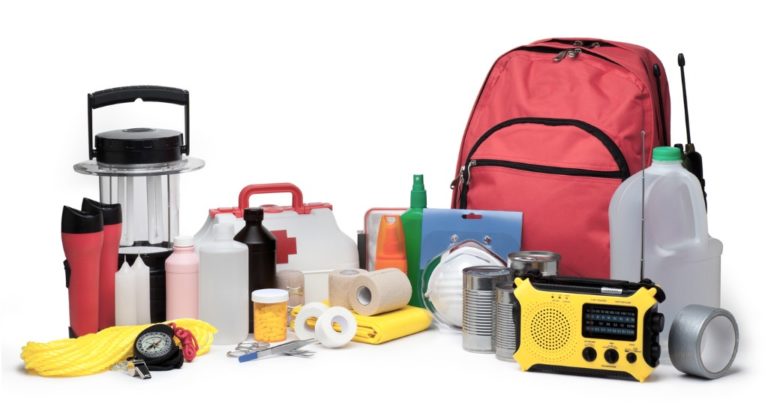
Living in an apartment can make emergencies more challenging because you may have limited storage, no private generator, shared building systems, and fewer options for alternative heating or cooking. A well-prepared apartment emergency kit helps you handle power outages, severe weather, water interruptions, fires, and other unexpected situations.
So, what should be in an apartment emergency kit? At minimum, you should have enough supplies to support basic needs such as water, food, lighting, communication, first aid, hygiene, and safety. Your kit should also be compact enough to store in an accessible location without creating clutter.
Here are 27 essential items every apartment emergency kit should include.
1. Drinking Water
Water should be the first priority in any emergency kit.
Store enough drinking water for your household and plan for situations where the building’s water supply may be interrupted.
A commonly used emergency-planning guideline is to keep at least 1 gallon of water per person per day for drinking and sanitation, with a multi-day supply when possible.
If storage space is limited, prioritize drinking water first and consider additional water-storage solutions that fit your apartment.
2. Non-Perishable Food
Keep foods that do not require refrigeration and can be eaten with little or no cooking.
Good options include:
- Canned foods
- Protein bars
- Crackers
- Peanut butter
- Dried fruit
- Nuts
- Shelf-stable meals
- Ready-to-eat foods
Choose foods your household already eats so your emergency supplies do not go to waste.
3. Manual Can Opener
Canned food is not very useful if you cannot open it.
Keep a manual can opener inside your emergency kit rather than relying on an electric opener.
This inexpensive item is easy to overlook but can become essential during a prolonged power outage.
4. Flashlight
A reliable flashlight is essential during an apartment blackout.
Choose an LED flashlight with good battery life and keep it somewhere that everyone in the household can easily find.
Ideally, have more than one flashlight so each household member does not need to share a single light.
5. Extra Batteries
If your emergency equipment uses replaceable batteries, keep spare batteries stored with your supplies.
Consider batteries for:
- Flashlights
- Radios
- Lanterns
- Other emergency devices
Check batteries periodically and replace them when necessary.
6. Emergency Radio
An emergency radio can provide access to important information when electricity, internet, and mobile networks are unavailable or unreliable.
A hand-crank or solar-powered model is particularly useful because it can reduce dependence on disposable batteries.
Look for a radio with:
- AM/FM reception
- Appropriate emergency/weather broadcasts
- Hand-crank charging
- Solar charging
- Built-in flashlight
- USB charging capability
7. Power Bank
A fully charged portable power bank can keep your smartphone operational during a power outage.
Your phone may be needed for:
- Emergency calls
- Text messages
- Weather alerts
- Navigation
- Family communication
- Official emergency information
Recharge your power banks before severe weather or an expected outage.
8. First-Aid Kit
A basic first-aid kit should be part of every apartment emergency kit.
Useful supplies include:
- Adhesive bandages
- Gauze
- Medical tape
- Antiseptic wipes
- Disposable gloves
- Scissors
- Tweezers
- Basic first-aid supplies
Check the kit periodically and replace used or expired items.
9. Essential Medications
Keep an appropriate emergency supply of regularly needed medications according to your healthcare provider’s instructions and applicable storage requirements.
Do not wait until an emergency begins to discover that an essential medication is unavailable.
A written list of medications and important medical information can also be useful.
10. Personal Hygiene Supplies
Power outages and water disruptions can make hygiene more difficult.
Include items such as:
- Hand sanitizer
- Wet wipes
- Toilet paper
- Soap
- Toothbrushes
- Toothpaste
- Feminine hygiene products
- Disposable bags
Choose supplies based on your household’s specific needs.
11. N95 or Similar Protective Masks
Masks can be useful during certain emergencies involving smoke, dust, debris, or poor air quality.
For example, apartment residents may need respiratory protection following a fire or significant construction-related dust event.
Store masks in their original packaging and use the appropriate type for the specific hazard.
12. Whistle
A whistle takes up almost no storage space but can be useful if you need to attract attention.
It may be particularly valuable if someone becomes trapped or cannot communicate effectively by phone.
Keep one inside the emergency kit and consider having an additional whistle accessible elsewhere in the apartment.
13. Fire Extinguisher
A suitable fire extinguisher can be an important apartment safety item.
Make sure household members know where it is and understand basic operation.
Do not attempt to fight a fire that is too large or spreading rapidly. Your priority should be getting everyone to safety and contacting emergency services.
Follow your building’s fire-safety rules and extinguisher recommendations.
14. Smoke and Carbon Monoxide Alarms
Working smoke alarms and carbon monoxide (CO) alarms are essential safety equipment.
CO is particularly dangerous because it is colorless and odorless.
Make sure alarms are installed according to applicable safety guidance and test them regularly.
Replace batteries or units according to the manufacturer’s instructions.
15. Blankets or Emergency Sleeping Bags
Blankets can help keep you warm during a winter power outage.
Consider keeping:
- Warm blankets
- Emergency thermal blankets
- Sleeping bags
If you live in a cold climate, make sure your emergency kit includes enough insulation for everyone in the household.
16. Warm Clothing
Emergency supplies should include extra clothing appropriate for your local climate.
Useful items include:
- Socks
- Gloves
- Hats
- Sweatshirts
- Thermal layers
Keep these items dry and easily accessible.
17. Basic Tools
A compact multi-tool or basic tool kit can help with minor emergency tasks.
Useful tools may include:
- Screwdriver
- Pliers
- Adjustable wrench
- Utility tool
- Work gloves
Avoid overloading your apartment emergency kit with tools you are unlikely to use.
18. Duct Tape
Duct tape is inexpensive, compact, and useful for temporary repairs.
It can help secure:
- Loose materials
- Temporary coverings
- Damaged containers
- Small household items
It should not be treated as a permanent repair solution for electrical, gas, plumbing, or structural problems.
19. Plastic Sheeting and Garbage Bags
Heavy-duty plastic bags can have multiple emergency uses.
They can help with:
- Waste disposal
- Protecting supplies from moisture
- Temporary containment
- Keeping clothing dry
- Cleanup
A few large garbage bags take up very little space and can be useful in many situations.

20. Copies of Important Documents
Keep secure copies of important documents, such as:
- Identification
- Insurance information
- Emergency contacts
- Medical information
- Lease or housing information
- Important account information
Avoid storing unnecessary sensitive information in an unsecured emergency kit.
A secure digital backup can also be useful.
21. Cash
Electronic payment systems may become unavailable during power or network outages.
Keeping a small amount of emergency cash in small denominations can help when card terminals or ATMs are unavailable.
Store it securely rather than carrying large amounts unnecessarily.
22. Local Emergency Contact Information
Do not rely exclusively on your smartphone.
Write down important numbers, including:
- Local emergency services
- Building management
- Landlord or property manager
- Family members
- Nearby relatives or friends
- Utility companies
A printed contact list can be valuable if your phone battery dies.
23. Pet Emergency Supplies
If you have pets, your emergency kit should include their essential supplies.
Depending on the animal, consider:
- Pet food
- Water
- Leash
- Carrier
- Waste bags
- Basic pet-care supplies
- Important veterinary information
Keep enough supplies for several days when possible.
24. Baby Supplies
Households with infants should maintain a dedicated supply of essential baby products.
Depending on the baby’s needs, this may include:
- Diapers
- Formula
- Baby food
- Bottles
- Wipes
- Blankets
- Appropriate clothing
Emergency planning should account for the fact that babies cannot adapt to shortages in the same way adults can.
25. Battery-Powered or Rechargeable Lantern
A flashlight is useful for moving around, but a lantern can illuminate a larger area.
A rechargeable lantern can be especially useful during power outages.
If you choose a rechargeable model, keep it fully charged and consider having a backup charging method.
26. Basic Cooking and Food-Preparation Supplies
If your normal cooking equipment is unavailable, you may need simple alternatives for preparing food.
Include appropriate items such as:
- Disposable utensils
- Cups
- Plates
- Paper towels
- Ready-to-eat foods
Never use charcoal grills, outdoor camping stoves, or other fuel-burning equipment indoors unless the device is specifically designed and approved for indoor use.
Never use a gas oven or stove to heat an apartment because of the risk of carbon monoxide poisoning.
27. Emergency Plan and Building Information
One of the most important things in an emergency kit costs nothing: a plan.
Keep information about:
- Emergency exits
- Fire escape routes
- Building evacuation procedures
- Meeting locations
- Emergency contacts
- Local shelters
- Important utility shutoffs, where applicable
Everyone in the household should know what to do rather than depending on one person to make all emergency decisions.
How to Store an Apartment Emergency Kit
Apartment storage space can be limited, so organization matters.
Choose a location that is:
- Easy to reach
- Dry
- Away from excessive heat
- Clearly identified
- Accessible during a power outage
A sturdy storage container can keep supplies organized.
Avoid putting your entire emergency kit somewhere that could become inaccessible during a fire, flood, or building evacuation.
You may also want to divide supplies into smaller kits.
For example:
Blackout kit: Flashlight, lantern, power bank, emergency radio
First-aid kit: Bandages, gauze, antiseptic supplies
Food and water kit: Drinking water and non-perishable food
Go-bag: Essential documents, clothing, medications, and basic supplies
How Long Should an Apartment Emergency Kit Last?
A practical goal is to prepare for at least several days without normal services, while recognizing that the appropriate amount depends on your household and local emergency risks.
Your supply needs may be higher if you have:
- Infants
- Older adults
- Pets
- Medical needs
- Mobility limitations
Local authorities may provide specific recommendations for your region.
What Should You Do During an Apartment Power Outage?
If the emergency is specifically a blackout:
- Check whether the outage affects only your apartment or the entire building.
- Use flashlights instead of open flames.
- Keep refrigerator and freezer doors closed.
- Unplug sensitive electronics if appropriate.
- Use your emergency radio for official updates.
- Conserve phone battery.
- Check on vulnerable household members.
- Follow instructions from building management or emergency authorities.
- Never use a generator indoors.
- Leave the building if instructed or if conditions become unsafe.
Common Apartment Emergency Kit Mistakes
Even a well-stocked emergency kit can fail if it is not maintained.
Forgetting to Replace Expired Supplies
Food, medications, batteries, and some first-aid products may have expiration dates.
Storing Everything in One Inaccessible Location
A kit is not useful if you cannot reach it during an emergency.
Not Charging Rechargeable Devices
Check power banks, radios, lanterns, and other rechargeable devices periodically.
Ignoring Building-Specific Risks
Apartment residents should understand their building’s evacuation procedures, fire exits, elevators, stairways, and emergency systems.
Relying Entirely on Your Smartphone
Your phone is useful, but its battery, cellular network, and internet connection are not guaranteed during a major emergency.
Frequently Asked Questions
What are the most important items in an apartment emergency kit?
The highest priorities are water, food, lighting, first-aid supplies, essential medications, communication equipment, power banks, emergency blankets, hygiene supplies, and safety equipment.
How much water should I store for an apartment emergency?
A widely used emergency-planning guideline is at least 1 gallon of water per person per day for drinking and sanitation. Your actual needs may vary depending on climate, household size, and emergency conditions.
What should I keep in an emergency kit for a power outage?
For a blackout, prioritize an emergency radio, flashlight, lantern, power bank, batteries, drinking water, food, first-aid supplies, medications, blankets, and basic hygiene supplies.
Do apartment emergency kits need a generator?
Not necessarily. Many apartment residents cannot safely or legally operate fuel-powered generators. A power bank, portable battery station, or other approved backup-power solution may be more appropriate.
How often should I check my emergency kit?
Review your kit periodically and after using any supplies. Recharge batteries and replace expired or damaged items as necessary.
Where is the best place to keep an emergency kit in an apartment?
Keep it in a dry, accessible location that is unlikely to become blocked during an emergency. Make sure every household member knows where it is.
Final Thoughts
A well-designed apartment emergency kit does not need to be enormous. The goal is to have the essential supplies needed to handle common emergencies while keeping everything organized and accessible.
The 27 items above cover the major categories of emergency preparedness: water, food, lighting, communication, first aid, hygiene, warmth, fire safety, basic tools, important information, and household-specific needs.
Start with the basics and build your kit gradually. Even a small collection of properly maintained emergency supplies can make a significant difference during a power outage, severe storm, building emergency, or temporary service interruption.
Most importantly, don’t just collect supplies—create an emergency plan, understand your apartment building’s procedures, and make sure everyone in your household knows what to do.