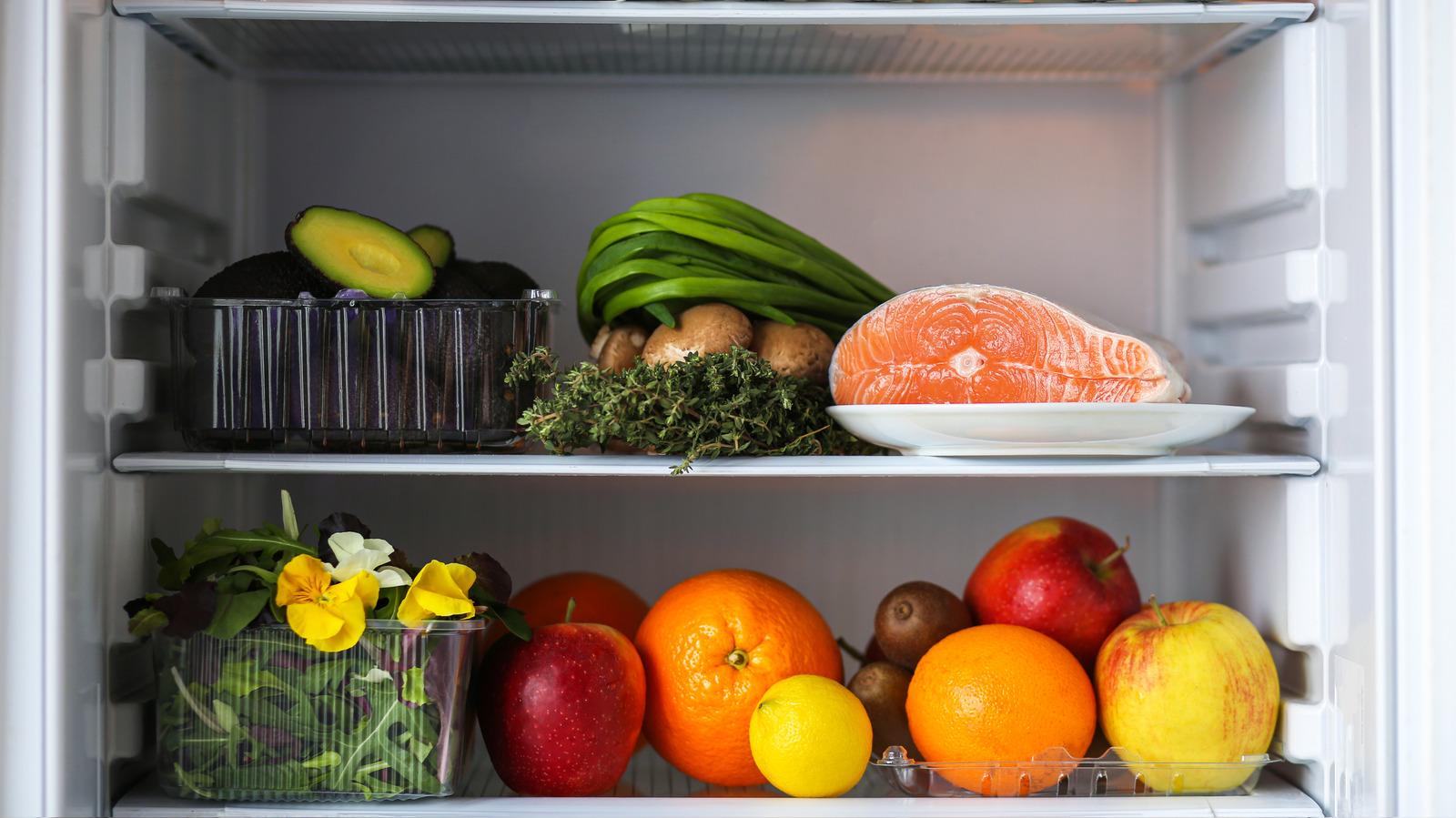
A power outage can quickly turn a normal refrigerator into a food-safety concern. When the electricity goes out, the refrigerator stops producing cold air, and the temperature slowly rises. Knowing how long food stays safe can help you avoid food poisoning and unnecessary food waste.
So, how long does food last in the fridge without power?
A closed refrigerator generally keeps food cold for about 4 hours during a power outage. After that, perishable foods such as meat, poultry, seafood, milk, eggs, and leftovers may become unsafe if they have been above 40°F (4.4°C) for too long.
How Long Does a Refrigerator Stay Cold Without Power?
An unopened refrigerator can usually maintain a safe temperature for approximately 4 hours.
The most important thing you can do is keep the refrigerator door closed. Every time you open the door, cold air escapes and warmer air enters, which can shorten the time food stays safely chilled.
The FDA recommends keeping the refrigerator at 40°F (4.4°C) or below for safe food storage.
If the outage is expected to last longer than four hours, move perishable foods to a cooler with plenty of ice or frozen gel packs.
What Happens to Food After 4 Hours Without Power?
After approximately four hours without power, you should carefully evaluate refrigerated foods.
Foods that require refrigeration can become unsafe as their temperature rises. These include:
- Raw meat
- Chicken and turkey
- Fish and seafood
- Milk and dairy products
- Eggs
- Cooked leftovers
- Soft cheeses
- Cut fruits and vegetables
- Deli meats
- Cooked rice and pasta
If these foods have been above 40°F for four hours or more, USDA and FDA guidance recommends discarding them.
Do not rely only on smell, appearance, or taste. Food can contain harmful bacteria without looking or smelling spoiled.
How Long Does Food Last in a Freezer Without Power?
A freezer can keep food frozen much longer than a refrigerator.
A full freezer can remain at a safe temperature for about 48 hours if the door stays closed. A half-full freezer can generally maintain its temperature for about 24 hours.
If food still contains ice crystals or is at 40°F (4.4°C) or below when the power returns, it can generally be safely refrozen or cooked.
What Foods Are Most at Risk?
Some foods are more dangerous to keep after a long power outage because bacteria can grow quickly when they become too warm.
Meat and Poultry
Raw beef, chicken, turkey, pork, and other meats should be treated as highly perishable. If they have been above safe refrigeration temperatures for too long, discard them.
Fish and Seafood
Fish, shrimp, crab, and other seafood can spoil quickly when refrigeration is lost. Do not take chances with seafood that has become too warm.
Milk and Dairy
Milk, cream, yogurt, soft cheeses, and similar dairy products can become unsafe after prolonged warming.
Eggs
Refrigerated eggs should also be treated as perishable food. If you are unsure how long they have been above a safe temperature, it is safer to throw them away.
Leftovers
Cooked meat, rice, pasta, casseroles, soups, and other leftovers should be discarded if they have remained above safe refrigeration temperatures for too long.
What Foods May Last Longer?
Not every item in your refrigerator is equally perishable.
Some foods may be less risky than meat or dairy, but you should still follow temperature and food-safety guidance rather than assuming something is safe because it looks normal.
Shelf-stable foods are a better option during extended outages. Examples include:
- Canned beans
- Canned vegetables
- Canned fruit
- Peanut butter
- Crackers
- Granola bars
- Nuts
- Dried fruit
- Shelf-stable milk
- Ready-to-eat canned meals
Keeping these foods available is especially useful for apartment renters who may experience extended power outages.
What Should You Do During a Power Outage?
Follow these steps to protect your food:
1. Keep the Refrigerator Closed
Avoid opening the refrigerator to check the food repeatedly. Keeping the door closed helps preserve the cold temperature.
2. Check the Time
Write down when the power went out. Knowing the duration of the outage helps you make safer decisions later.
3. Use a Refrigerator Thermometer
An appliance thermometer can tell you whether the refrigerator remains at or below 40°F.
This is much more reliable than guessing based on how cold the food feels.
4. Use a Cooler After Four Hours
If the outage is expected to continue, transfer perishable foods to a cooler filled with ice or frozen gel packs. USDA recommends keeping the food at 40°F or below.
5. Avoid Tasting Questionable Food
Never taste food to determine whether it is safe. Harmful bacteria may be present even when food looks, smells, and tastes normal.
Can You Save Food With Ice?
Yes. Ice can help keep refrigerated food cold during a prolonged outage.
If the power will be out for more than four hours, place perishable foods in an insulated cooler surrounded by ice or frozen gel packs. Keep the food at or below 40°F.
You can also prepare for future outages by freezing containers of water or gel packs in advance.

What About a Portable Power Station?
A portable power station can be useful for apartment renters who want to keep a refrigerator running during a power outage.
Depending on the refrigerator’s power requirements and the power station’s battery capacity, a portable power station may provide several hours of emergency power.
Before buying one, check:
- Battery capacity in Wh
- Continuous AC output
- Surge capacity
- Refrigerator starting power
- Recharge time
- UPS functionality
- Solar charging capability
For longer outages, a larger battery system can provide more backup time.
What Should You Do When the Power Comes Back?
Do not immediately assume everything in the refrigerator is safe.
First, check the refrigerator temperature if you have a thermometer.
If perishable food has been above 40°F for four hours or more, discard it. FDA guidance specifically warns against relying on appearance or odor to determine safety.
For frozen food, check for ice crystals or measure the temperature. Food that remains at 40°F or below can generally be refrozen or cooked.
Frequently Asked Questions
How long does food last in a fridge without electricity?
A closed refrigerator generally keeps food cold for about 4 hours without power. After that, perishable foods need to be evaluated carefully and may need to be discarded.
Is food safe after 6 hours without power?
Perishable refrigerated food may not be safe after six hours without power. If it has been above 40°F for four hours or more, it should be discarded.
How long does a freezer stay frozen without electricity?
A full freezer can generally maintain a safe temperature for about 48 hours, while a half-full freezer may last approximately 24 hours, provided the door remains closed.
Should I throw away milk after a power outage?
If refrigerated milk has been above 40°F for four hours or more, it should be discarded. Do not use smell alone to determine whether it is safe.
Can you eat food from a refrigerator after a power outage?
Yes, if the outage was short enough and the food remained at a safe temperature. A closed refrigerator generally keeps food cold for about four hours.
Final Answer: When Should You Throw Food Away?
The most important rule is simple: a refrigerator without power generally keeps food safe for about 4 hours if the door stays closed.
If the outage lasts longer, use a cooler with ice or frozen gel packs to keep perishable foods at or below 40°F. For frozen food, a full freezer can generally stay cold for around 48 hours.
When you’re unsure how long food has been at an unsafe temperature, don’t take the risk—throw it out. Foodborne illness can be far more costly than replacing a few groceries.
Must Read= Best Portable Power Stations for Apartment Renters 2026
Must Read= Jackery Explorer 300 Plus Review | Is It Worth It for Renters?