A power outage can make cooking difficult, especially for apartment renters who may not have access to a grill, outdoor cooking area, or backup generator. If the electricity goes out and you cannot use your stove or microwave, having no-cook emergency food at home can make a major difference.
The best emergency foods for an apartment are shelf-stable, easy to store, nutritious, and ready to eat without heating. You should also choose foods that your household already enjoys so your emergency supply is practical rather than something that sits unused in a cupboard.
USDA recommends keeping a supply of nonperishable food for emergencies, including canned fruits and vegetables, shelf-stable meat and fish, peanut butter, cereal, granola bars, crackers, dried fruit, and shelf-stable milk.
Here are 25 of the best no-cook emergency foods for apartment renters.
1. Peanut Butter
Peanut butter is one of the most useful emergency foods because it provides calories, protein, and fat without refrigeration.
Eat it directly from the jar or spread it on crackers or bread.
2. Whole-Grain Crackers
Crackers are lightweight, easy to store, and pair well with peanut butter, canned tuna, chicken, or shelf-stable cheese.
Choose whole-grain varieties when possible for additional fiber.
3. Canned Tuna
Canned tuna provides protein and requires no cooking. Look for smaller cans or single-serving pouches so you do not have to worry about storing leftovers without refrigeration.
Tuna can be eaten directly or combined with crackers.
4. Canned Chicken
Canned chicken is another convenient protein source for emergencies.
You can eat it with crackers, tortillas, or canned vegetables. Choose small containers when possible.
5. Canned Beans
Many canned beans are fully cooked and can be eaten cold. Black beans, chickpeas, kidney beans, and other varieties can provide protein, carbohydrates, and fiber.
Always check the label and follow the manufacturer’s storage instructions.
6. Canned Fruit
Peaches, pears, pineapple, mixed fruit, and other canned fruits can provide carbohydrates and variety during an emergency.
Choose smaller cans if you do not have refrigeration after opening.
7. Applesauce Cups
Individual applesauce cups are convenient for apartment emergency kits because they require no preparation and are easy to portion.
They can also be useful for children.
8. Dried Fruit
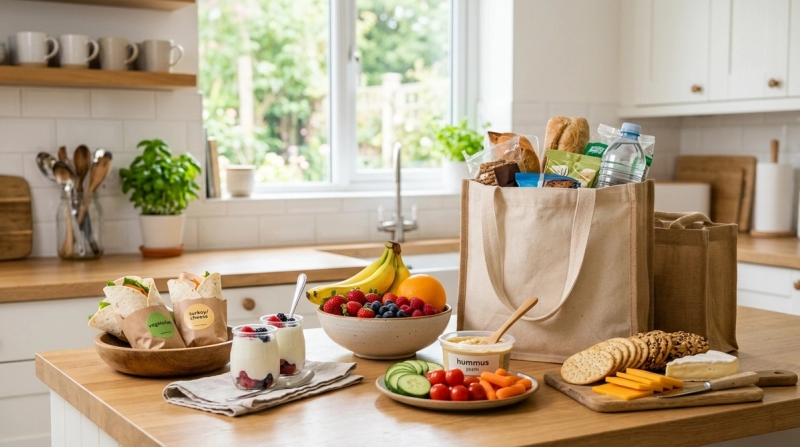
Raisins, dried apricots, dates, prunes, and dried mango are compact sources of energy.
Dried fruit is particularly useful because it takes up little storage space and can be eaten immediately.
9. Nuts
Almonds, peanuts, walnuts, cashews, and mixed nuts provide calories, protein, and healthy fats.
Keep them sealed in a cool, dry location and check package dates regularly.
10. Trail Mix
Trail mix combines several useful emergency foods in one convenient snack.
A mixture containing nuts, seeds, dried fruit, and cereal can provide carbohydrates, protein, and fats without cooking.
11. Granola Bars
Granola bars are easy to store and require no utensils.
They are particularly useful for quick breakfasts, snacks, or situations where you need something portable.
12. Protein Bars
Protein bars can provide a convenient source of calories and protein during an extended power outage.
Choose products you already enjoy eating rather than buying large quantities of unfamiliar emergency food.
13. Ready-to-Eat Cereal
Dry cereal can be eaten directly from the package.
If you have shelf-stable milk available, you can also create a simple breakfast without relying on a refrigerator.
14. Shelf-Stable Milk
Shelf-stable milk is processed and packaged so it can be stored at room temperature until opened.
It can be used with cereal or consumed as a drink. Once opened, follow the package’s refrigeration instructions.
15. Shelf-Stable Plant Milk
Shelf-stable almond, soy, oat, or other plant-based milk can provide another option for renters who prefer dairy-free products.
Small cartons are particularly convenient for emergency storage.
16. Beef or Turkey Jerky
Commercially packaged jerky is compact, protein-rich, and designed for shelf storage.
USDA identifies commercially packaged jerky as a shelf-stable food, although storage life varies by product and packaging.
17. Tuna or Chicken Pouches
Single-serving protein pouches can be easier to manage than large cans.
They are especially useful in apartments because you can eat the entire package without worrying about leftover food that requires refrigeration.
18. Canned Salmon or Sardines
Canned salmon and sardines provide another shelf-stable source of protein.
They can be eaten directly, served with crackers, or combined with other ready-to-eat foods.
19. Fruit Cups
Individual fruit cups are convenient, portion-controlled, and easy to store.
They are a good alternative when you do not want to open a large can during a power outage.
20. Rice Cakes
Rice cakes are lightweight and can be combined with peanut butter, nut butter, or shelf-stable spreads.
They are especially useful as a quick snack or simple meal component.
21. Pretzels
Pretzels are easy to store and can provide carbohydrates and calories without any preparation.
Combine them with nuts, peanut butter, or shelf-stable protein for a more filling emergency snack.
22. Shelf-Stable Pudding
Shelf-stable pudding cups can provide variety and an easy snack without refrigeration before opening.
They can also be useful for families with children.
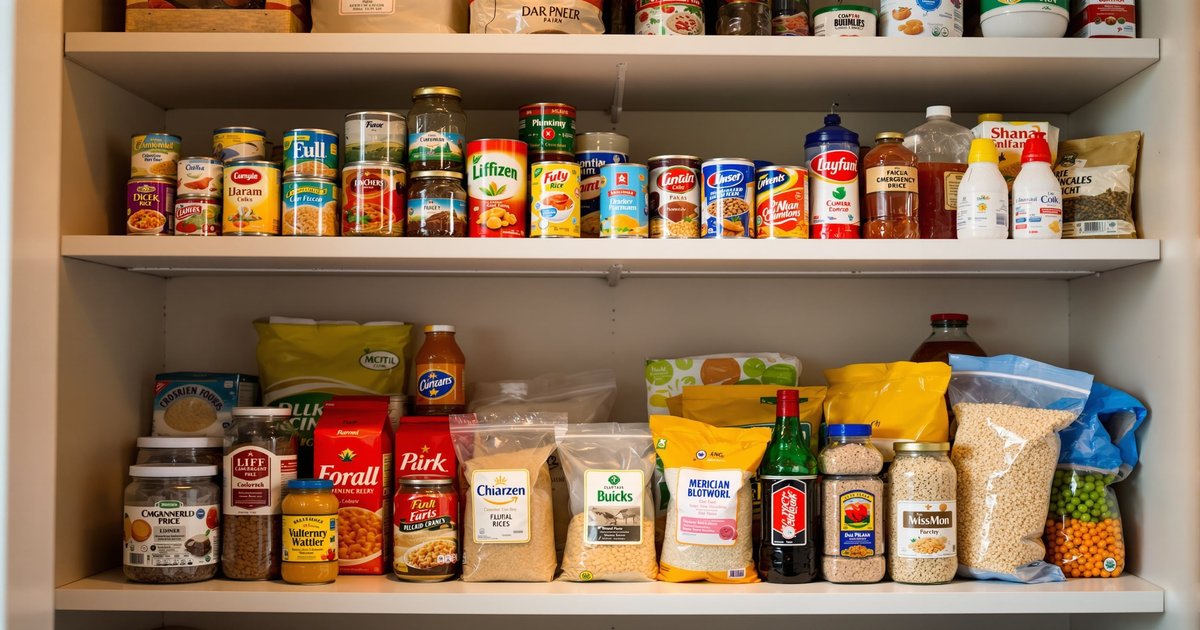
23. Canned Vegetables
Canned corn, peas, green beans, carrots, and mixed vegetables can be eaten without cooking.
For emergency storage, pull-top cans can be especially convenient because they may not require a traditional can opener.
24. Ready-to-Eat Canned Meals
Some canned chili, stew, ravioli, pasta, and similar products are already cooked and can be eaten cold if necessary.
They may not taste as good cold as they do heated, but they provide a more substantial emergency meal when cooking is unavailable.
25. MREs and Ready-to-Eat Emergency Meals
Meals Ready-to-Eat, commonly called MREs, are designed for situations where conventional food preparation may not be possible.
They can be useful for longer emergencies, although they are usually more expensive than building an emergency food supply from everyday grocery items.
How to Build a No-Cook Emergency Meal
Instead of storing only snacks, combine different food groups to create balanced meals.
For example:
Breakfast: Dry cereal + shelf-stable milk + dried fruit
Lunch: Tuna + whole-grain crackers + canned fruit
Dinner: Canned beans + canned vegetables + crackers
Snack: Trail mix + applesauce
This approach gives you more variety and helps combine protein, carbohydrates, fats, fruits, and vegetables.
Extension guidance similarly recommends combining foods such as canned beans, tuna, peanut butter, crackers, dried fruit, cereal, and shelf-stable milk when cooking is unavailable.
How Much No-Cook Food Should an Apartment Renter Store?
A good starting point is at least three days of emergency food per person, along with adequate drinking water. USDA recommends keeping a three-day supply of commercially bottled water, with a minimum of three gallons per person.
Your exact food requirement depends on household size, dietary needs, age, activity level, and how long outages typically last in your area.
If you have enough apartment storage, gradually building a larger supply can provide additional protection during longer emergencies.
What Should You Avoid in a No-Cook Emergency Food Supply?
Avoid relying heavily on foods that require:
- Refrigeration
- Freezing
- Boiling water
- Microwave heating
- Long preparation times
- Specialized cooking equipment
Foods such as dry rice, dried pasta, and instant oatmeal may have long shelf lives, but they are not truly no-cook foods if you have no way to heat water.
This distinction is important when preparing specifically for a power outage.
Food Safety During a Power Outage
No-cook emergency food can reduce your dependence on refrigerated foods, but you should still protect the food you already have.
USDA says an unopened refrigerator generally keeps food safely cold for about four hours during a power outage. Keep the refrigerator and freezer doors closed as much as possible.
Do not automatically assume refrigerated food is safe simply because it looks or smells normal.
When in doubt, follow official food-safety guidance and discard food that has been held at unsafe temperatures.
How to Store Emergency Food in an Apartment
Apartment renters often have limited storage space, so organization matters.
Store emergency food in a:
- Cool location
- Dry location
- Dark cupboard
- Sealed storage container
- Easily accessible area
Avoid placing food near excessive heat or moisture.
Rotate your emergency food regularly. Use older items during normal meals and replace them with newer products. USDA also recommends periodically using and refreshing emergency food supplies.
Don’t Forget a Manual Can Opener
A manual can opener is one of the easiest emergency supplies to overlook.
If your emergency food includes canned tuna, vegetables, fruit, beans, or meals, you need a reliable way to open them if the electricity is unavailable.
Keep the can opener with your emergency food rather than storing it somewhere else.
Final Verdict
The best no-cook emergency food for apartment renters is affordable, shelf-stable, easy to store, and ready to eat without electricity.
Peanut butter, crackers, canned tuna, canned chicken, beans, dried fruit, nuts, granola bars, shelf-stable milk, jerky, canned fruit, and ready-to-eat meals are excellent starting points.
Rather than purchasing only specialized survival food, build your emergency supply around foods your household already eats. This makes it easier to rotate the supply, reduces waste, and gives you practical meals during a blackout.
For most apartment renters, the ideal emergency pantry should contain a mixture of protein, carbohydrates, healthy fats, fruits, vegetables, snacks, drinking water, and basic utensils.
With the right preparation, losing electricity does not have to mean going hungry or relying on expensive takeout.
Frequently Asked Questions
What is the best no-cook emergency food?
Some of the best options include peanut butter, crackers, canned tuna, canned chicken, canned beans, nuts, dried fruit, granola bars, jerky, canned fruit, and shelf-stable milk.
What food can I eat during a power outage without cooking?
You can eat canned beans, tuna, chicken, fruit, vegetables, peanut butter, crackers, nuts, dried fruit, jerky, cereal, and many ready-to-eat packaged meals without cooking.
How much emergency food should I store in my apartment?
Start with at least three days of nonperishable food per person and expand your supply if you have enough storage space. Also maintain an adequate drinking-water supply.
Do canned foods need to be cooked?
Many commercially canned foods are already cooked and can be eaten without heating. Always check the product label and follow its storage and preparation instructions.
What foods last the longest without refrigeration?
Shelf-stable canned foods, commercially packaged jerky, dried fruit, nuts, crackers, and other properly packaged nonperishable foods can be stored without refrigeration. Storage life varies by product, so follow package dates and instructions.
What should I eat first during a power outage?
Prioritize foods that are already refrigerated or otherwise perishable while they remain safely cold, while keeping the refrigerator closed. Use your shelf-stable no-cook supply when refrigeration is unavailable or unsafe.
Must Read= Best Portable Power Stations for Apartment Renters 2026
Must Read= Jackery Explorer 300 Plus Review | Is It Worth It for Renters?