A winter power outage in an apartment can quickly become uncomfortable and potentially dangerous when the heating system stops working. Unlike a house with a fireplace or wood stove, many apartments have limited options for alternative heating. The key is to conserve the heat already inside, keep your body warm, use safe emergency heating methods, and know when it is safer to leave.
So, how do you stay warm in an apartment during a winter blackout? Start by moving into one small room, closing doors to unused areas, blocking drafts around windows and doors, wearing multiple warm layers, using blankets and sleeping bags, and avoiding unsafe heating methods such as gas stoves, charcoal grills, or indoor generators.
If the apartment becomes dangerously cold or someone develops signs of hypothermia, move to a heated location or emergency shelter rather than trying to manage severe cold indoors.
Why Apartments Get Cold During a Winter Blackout
Most modern apartments depend on electricity for some part of their heating system. Even buildings with gas-powered heating may use electrically powered thermostats, fans, pumps, or controls.
When the power fails, the apartment can gradually lose heat through:
- Windows
- Exterior walls
- Doors
- Floors and ceilings
- Ventilation
- Drafts around doors and windows
The larger the apartment and the more exterior surfaces it has, the more difficult it may be to retain heat.
A small, interior room is often easier to keep warm than an entire apartment.
What Is the Best Way to Stay Warm During a Winter Blackout?
The most effective strategy is to conserve body heat and reduce the amount of space you need to keep warm.
Follow these steps:
- Choose one small room for the household.
- Close doors to unused rooms.
- Close curtains and blinds after daylight.
- Block drafts around doors and windows.
- Wear several layers of warm clothing.
- Use blankets and sleeping bags.
- Keep your head, hands, and feet covered.
- Drink warm, non-alcoholic fluids.
- Avoid getting wet.
- Use only approved heating equipment according to its instructions.
The CDC recommends extra blankets, sleeping bags, and warm winter clothing as emergency resources during a power outage.
1. Move Everyone Into One Room
One of the easiest ways to conserve heat is to reduce the amount of space you are trying to keep warm.
Choose a small room, preferably one that:
- Has few windows
- Is away from exterior doors
- Is not directly exposed to strong drafts
- Has enough room for everyone
- Can be closed off from the rest of the apartment
Close the doors to unused rooms.
There is no need to maintain the same temperature throughout the entire apartment when the heating system is unavailable.
2. Close Curtains and Blinds
Windows can be a significant source of heat loss.
During daylight, open curtains if sunlight is directly warming the room. Once the sun goes down, close curtains or blinds to help retain indoor heat.
The EPA also recommends using window coverings strategically during winter power outages—open them during the day when useful for warming and close them at night to retain heat.
If you have thick blankets, thermal curtains, or temporary window insulation materials, they can provide additional protection from drafts.
However, do not block required ventilation openings or create unsafe conditions around heating appliances.
3. Block Drafts Around Doors and Windows
Cold air entering through gaps can make an apartment feel considerably colder.
You can temporarily reduce drafts by using:
- Towels
- Blankets
- Draft stoppers
- Rolled clothing
- Weather stripping
- Removable window insulation
Place a rolled towel along the bottom of an exterior door if cold air is coming underneath.
The CDC specifically recommends blocking cracks under doors with towels or similar materials and closing off unnecessary rooms to conserve heat.
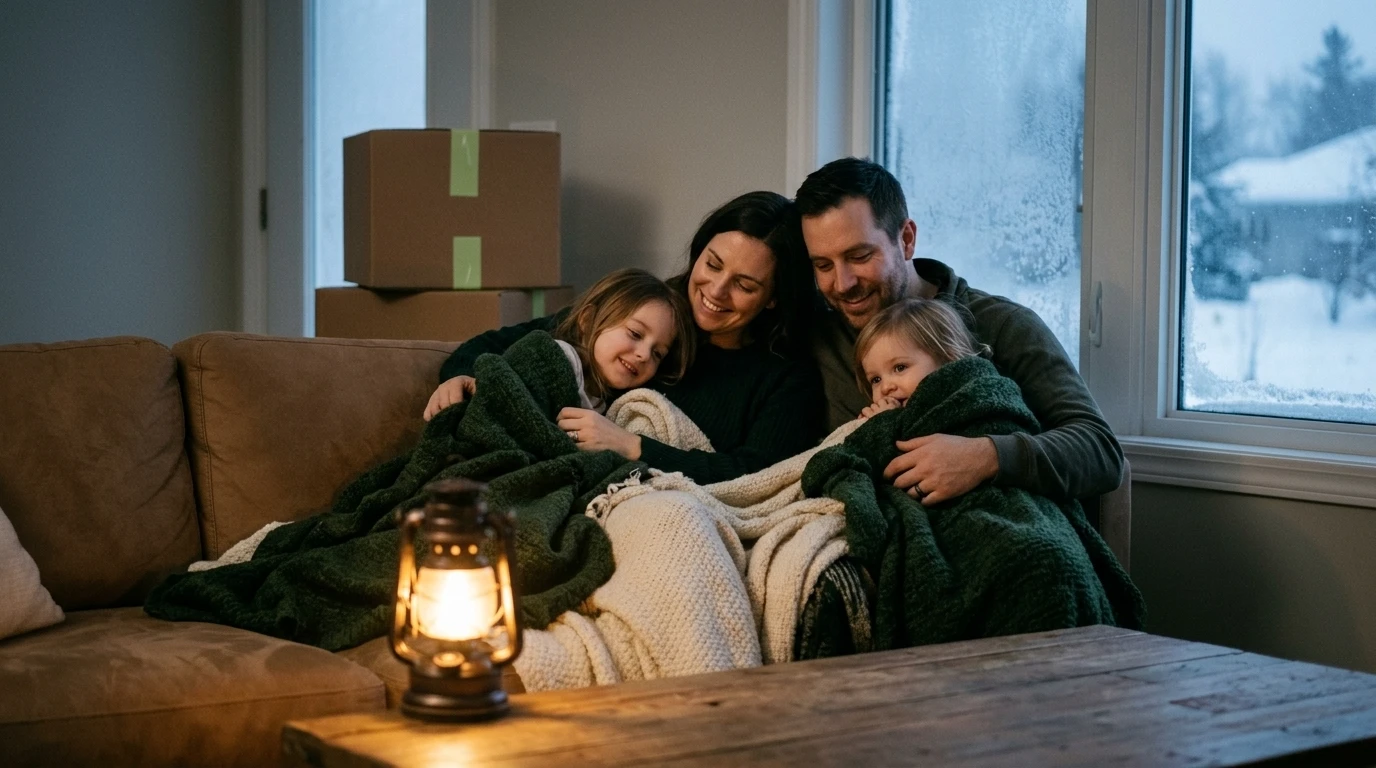
4. Dress in Multiple Layers
Your clothing is one of your most important heating tools during a blackout.
Instead of relying on one very thick item, wear several layers.
A practical combination is:
- Base layer
- Warm shirt
- Sweater or fleece
- Jacket
- Warm socks
- Hat
- Gloves
- Blanket or sleeping bag
Keep your clothing dry. Wet clothing can accelerate heat loss.
The CDC recommends several loose-fitting layers and emphasizes keeping dry during cold conditions.
Don’t Forget Your Head and Feet
Your head, hands, and feet can feel especially cold during a blackout.
Keep:
- A warm hat nearby
- Thick socks available
- Gloves or mittens available
- Dry footwear available
A warm sleeping bag can also provide substantial insulation while resting.
5. Use Blankets and Sleeping Bags
If you have sleeping bags, use them.
Sleeping bags are designed to trap body heat and can be more effective than simply placing one thin blanket over yourself.
For nighttime, combine:
- Warm clothing
- Sleeping bag
- Additional blankets
- Warm socks
- Hat
Avoid sleeping directly on a cold floor. Place a mattress, sleeping pad, folded blankets, or another insulating layer underneath you.
This reduces heat transfer between your body and the floor.
6. Stay Dry
Moisture makes cold conditions more dangerous.
If your clothes become wet from snow, rain, spilled water, or sweating, change into dry clothing as soon as possible.
Avoid excessive physical activity that causes heavy sweating. Once damp clothing cools down, it can increase heat loss.
Keeping your clothing and bedding dry is an important part of winter blackout preparation.
7. Drink Warm Fluids
Warm, non-alcoholic drinks can make you feel more comfortable during a cold blackout.
Good options include:
- Warm water
- Tea
- Soup
- Warm milk
- Other non-alcoholic warm beverages
If your apartment’s cooking appliances are unavailable, keep some ready-to-eat foods and beverages that do not require electricity.
The Red Cross recommends warm fluids during winter weather while advising people to avoid alcohol and excessive caffeine.
8. Be Extremely Careful With Alternative Heat Sources
This is one of the most important parts of staying warm during a winter blackout.
Never use your gas stove or oven to heat your apartment.
Do not use:
- Gas ovens
- Charcoal grills
- Camping stoves
- Outdoor heaters
- Barbecue grills
- Fuel-burning devices not designed for indoor use
These devices can produce carbon monoxide (CO), an odorless and potentially deadly gas.
The CDC specifically warns against using gas ranges or ovens to heat a home and against using generators, charcoal grills, or camping stoves indoors.
9. Can You Use a Space Heater During a Blackout?
An electric space heater can provide useful supplemental heat, but it requires electricity.
If you have a safe backup power source capable of supporting the heater, follow the heater manufacturer’s instructions carefully.
Space heaters should be kept at least 3 feet away from bedding, curtains, furniture, and other flammable materials. They should never be covered, placed near water, or left unattended.
Do not connect a high-power space heater to an unsuitable extension cord or overloaded power station.
If you are unsure whether your backup power system can safely support a heater, don’t connect it.
10. Never Use a Generator Inside an Apartment
A generator is not an indoor heating solution.
Never operate a gasoline-powered generator inside:
- An apartment
- Balcony
- Garage
- Basement
- Hallway
- Enclosed room
Generators produce carbon monoxide.
The CDC recommends operating generators outdoors more than 20 feet from windows, doors, and vents, while using a battery-powered or battery-backup carbon monoxide detector inside the home.
For apartment residents, generator use can also create serious risks for neighbors because exhaust can enter other units.
Always follow local laws, building rules, and the generator manufacturer’s instructions.
11. Use Battery-Powered Lighting Instead of Candles
When an apartment becomes cold and dark, candles may seem like an easy solution.
However, candles introduce a fire risk.
Use:
- LED flashlights
- Battery-powered lanterns
- Rechargeable emergency lights
- Headlamps
The CDC and Red Cross recommend flashlights or battery-powered lighting instead of candles when possible.
Keep emergency lighting somewhere that is easy to reach without electricity.
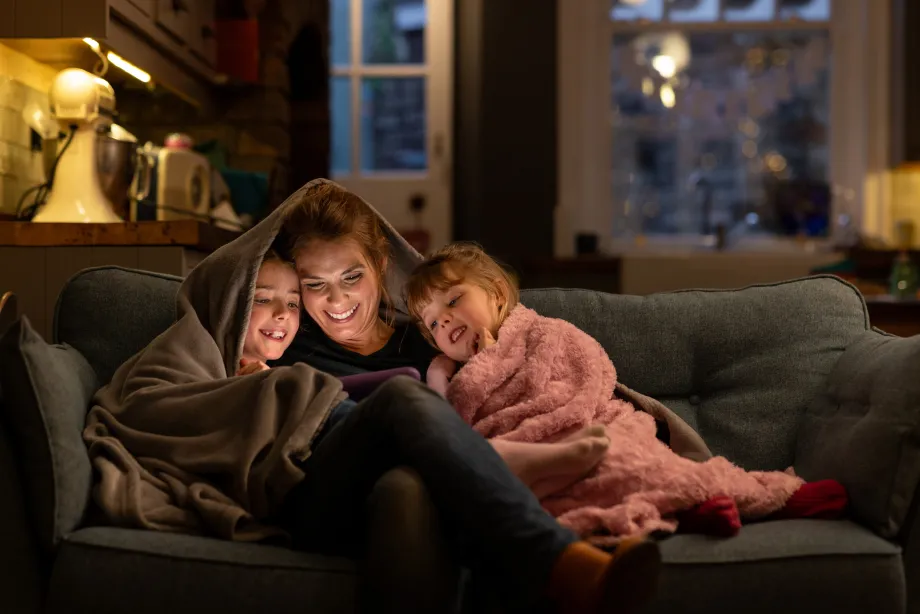
12. Protect Vulnerable People First
Cold temperatures can be especially dangerous for:
- Babies
- Older adults
- People with certain medical conditions
- People with mobility limitations
- Pets
Check vulnerable household members regularly.
Babies should not be left sleeping in a dangerously cold room. The CDC recommends making temporary arrangements to stay elsewhere if you cannot maintain a safe temperature for an infant.
Pets also need protection from cold temperatures. Keep them indoors and provide appropriate warm bedding.
13. Know the Warning Signs of Hypothermia
Staying cold for too long can cause hypothermia, which is a medical emergency.
Possible warning signs include:
- Persistent shivering
- Extreme tiredness
- Confusion
- Drowsiness
- Slurred speech
- Memory problems
- Poor coordination
- Fumbling hands
The CDC states that a body temperature below 95°F (35°C) requires immediate medical attention.
If someone shows signs of hypothermia, move them to a warmer environment and seek medical help.
Do not wait for the condition to become severe.
14. Know When to Leave the Apartment
Sometimes the safest way to stay warm is not to remain in the apartment.
Consider relocating to a heated location if:
- The indoor temperature continues falling
- The outage is expected to last a long time
- You have no safe heat source
- Someone in the household is vulnerable to cold
- You have a medical device that requires electricity
- Water pipes are at risk of freezing
- You notice symptoms of hypothermia
The Red Cross recommends planning ahead for locations with heat during extreme cold and leaving if the home becomes too cold to remain safely.
Possible alternatives include:
- A friend’s home
- Family member’s home
- Community warming center
- Emergency shelter
- Another heated building
How to Prepare Your Apartment Before a Winter Blackout
Preparation is much easier before the electricity fails.
Keep an apartment emergency kit containing:
- Warm blankets
- Sleeping bags
- Winter clothing
- Hats and gloves
- Flashlights
- Battery-powered lanterns
- Power banks
- Emergency radio
- Non-perishable food
- Drinking water
- First-aid supplies
- Battery-powered carbon monoxide detector
- Necessary medications
- Pet supplies
The Red Cross recommends having emergency communication devices, backup power options, emergency food and water, and plans for heating or cooling during outages.
Apartment Winter Blackout Checklist
Before winter arrives, check the following:
Heating
- Know how your apartment heating system works.
- Understand what happens when electricity fails.
- Identify safe backup heating options.
Insulation
- Check window drafts.
- Inspect door seals.
- Keep curtains available.
- Have towels or draft blockers ready.
Emergency supplies
- Store blankets and warm clothing.
- Keep flashlights accessible.
- Charge power banks.
- Keep an emergency radio available.
Safety
- Install smoke alarms.
- Have a carbon monoxide detector.
- Know your building’s emergency exits.
- Never use fuel-burning equipment indoors unless it is specifically designed, approved, and properly installed for indoor use.
Frequently Asked Questions
How do I keep my apartment warm without electricity?
Move into one small room, close unused rooms, block drafts, close curtains at night, wear multiple layers, and use blankets or sleeping bags. If the apartment becomes dangerously cold, relocate to a heated location.
How long will an apartment stay warm during a winter power outage?
There is no universal timeframe. It depends on outdoor temperature, insulation, apartment size, windows, building construction, wind, and the number of people inside.
Can I use my gas stove to heat my apartment?
No. Do not use a gas stove or oven as a heating source. Combustion can produce carbon monoxide and create a fire or poisoning hazard.
Can I use candles to stay warm?
Candles are not a safe heating solution. They can create a fire hazard. Use blankets, clothing, approved heating equipment, and battery-powered lighting instead.
What temperature is too cold for an apartment?
There is no single temperature that is safe for every person or situation. Risk depends on age, health, clothing, humidity, and exposure duration. If the apartment is becoming dangerously cold or someone develops symptoms of hypothermia, seek a warmer location and medical assistance when necessary.
Should I stay in my apartment during a winter blackout?
If the apartment remains reasonably safe and warm, you may be able to stay temporarily. If you cannot maintain safe conditions, especially for babies, older adults, pets, or people dependent on powered medical equipment, relocate to a heated location.
Final Thoughts
Learning how to stay warm in an apartment during a winter blackout is mainly about conserving heat, protecting your body, and avoiding dangerous heating methods.
Start by moving everyone into a smaller room, closing unused areas, blocking drafts, covering windows, and wearing several warm layers. Use sleeping bags and blankets to retain body heat, stay dry, and drink warm non-alcoholic fluids.
Most importantly, never use a gas stove, charcoal grill, camping stove, or indoor generator as an improvised heating source. Carbon monoxide can build up without warning and cause serious injury or death.
If the apartment becomes too cold to remain safely, don’t try to tough it out. Move to a heated location or emergency shelter. Preparing blankets, warm clothing, emergency lighting, communication devices, and a carbon monoxide detector before winter can make a major difference when the power suddenly goes out.
Must Read= Can You Sue Your Electric Company for a Power Outage?
Must Read= How to Prime a Well Pump After a Power Outage (Step-by-Step)